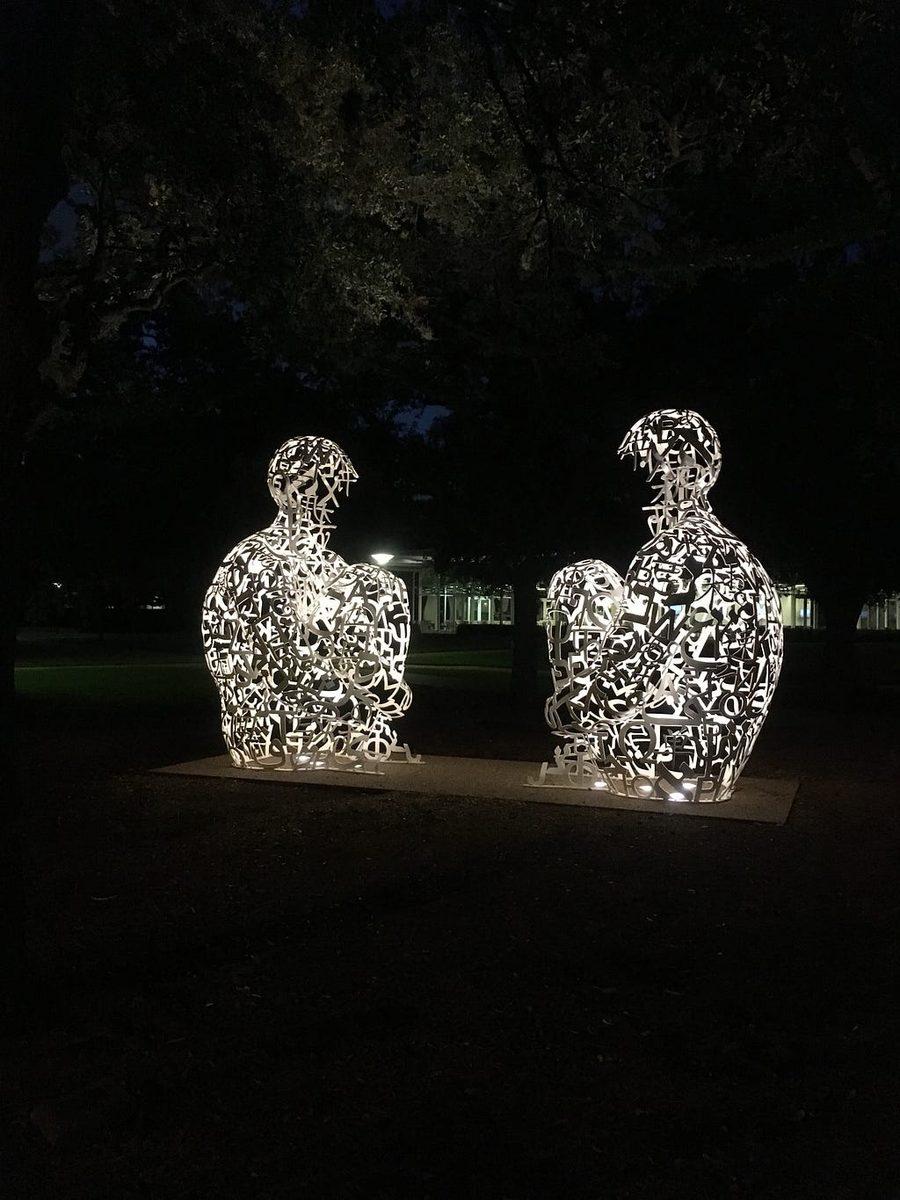
My body has carried me through more sudden pivots in the last five years than in the prior twenty-six combined. A cross-state move, a classroom of 193 middle schoolers, a clinic running on narrow tolerances. Through every transition, the body adapted — absorbed the cortisol load, maintained the sleep debt, kept performing. For all of that, I hold genuine gratitude.
The body is heavier now than at any prior point in my adult life. The weight arrived the way weight tends to arrive in periods of prolonged demand: through biological redistribution, years of disrupted rhythms, a system that prioritized function over form and succeeded at the prioritization. The body made good decisions on my behalf. The body kept me operational when operational was the only available option.
And I do not feel at home in the body.
I am a person who has never had difficulty occupying a room — professionally, intellectually, physically. The estrangement, then, has a specific texture, because the room I cannot seem to occupy with ease is my own. The body in photographs surprises me. The clothes from two years prior communicate a different chapter. The pride I feel when I recount what the body survived and the unfamiliarity I feel when I encounter the body in the mirror — the two experiences belong to the same person, and the person is still learning to reconcile the two.
The appreciation and the displacement are both honest. Both coexist without canceling each other. I can trace every pound to a specific chapter — a year of institutional grinding, a semester of standing eight hours daily with adolescents who needed full presence, a promotion that arrived before the body had stabilized from the preceding transitions. The body carries a record of everything I asked of the body, and the record is accurate.
Knowing a body's history and feeling settled inside the body's present are two different achievements. The first has arrived. The second is slower.